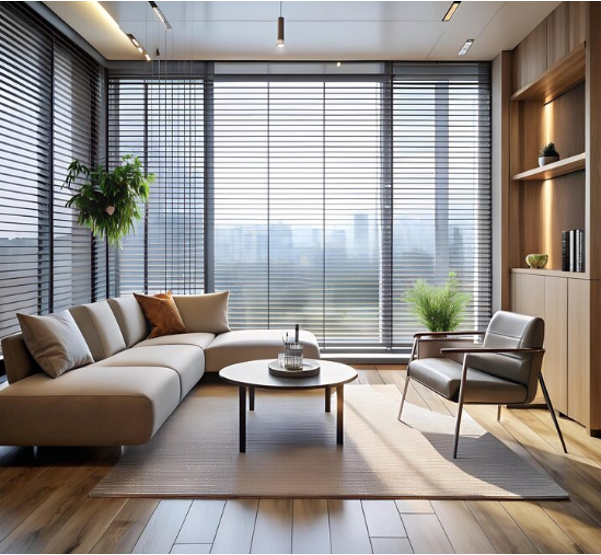
Tall windows, roof glazing and double-height spaces bring natural light into a home, but they also create a practical challenge. A blind positioned several metres above floor level may be difficult to open or adjust safely. Long cords and poles can look untidy, while uncovered glazing may cause glare, heat build-up or reduced privacy.
Motorised blinds offer a more convenient solution, but successful installation depends on careful planning. Power supply, controls, fabric choice, access and future maintenance should all be considered before the blinds are ordered.
Begin With the Window’s Purpose
Start by deciding what the blind need to achieve. A tall stairwell window may require occasional glare control, while roof glazing in an open-plan kitchen may need regular adjustment. Bedrooms may need stronger light reduction and privacy, whereas a living room may benefit from softer filtering.
Understanding the purpose of the blind first makes it easier to choose the right fabric, mechanism and operating schedule. This also prevents unnecessary features from being added to a window that only needs occasional adjustment.
Check Measurements and Installation Access
High-level windows are not suitable for guesswork. Small measuring errors can leave visible gaps, cause poor movement or result in a blind that does not fit correctly. Professional measuring is especially useful where windows are angled, unusually wide or positioned above stairs.
Access during installation should also be planned. The fitter may require ladders, towers or specialist equipment, and furniture may need to be moved. The area below the window should remain clear for safe fitting and future maintenance.
Decide How the Blinds Will Be Powered
Motorised systems may use mains power, rechargeable batteries or another compatible option, depending on the product. Each choice affects installation and long-term convenience.
Mains power can be practical during renovation because wiring may be concealed before walls are finished. Rechargeable models may reduce electrical work, but the charging point must remain accessible.
Before ordering, confirm:
- Where the power source will be located
- Whether visible cables can be concealed
- How the system will be recharged or serviced
- Whether an electrician is required
Planning the power supply early can prevent exposed wiring or awkward charging arrangements after installation.
Choose a Control Method That Fits Daily Life
The control system should suit the people using the room. A wall switch offers a simple fixed option, while a remote may be more convenient across an open-plan space. Some systems may also support timers, app control or compatible smart-home functions.
A remote may be enough for a guest bedroom, whereas scheduled control can help with glazing that receives strong sunlight at predictable times.
Where several blinds are installed, check whether they can be controlled individually, in groups or together. Group control simplifies everyday use, while individual adjustment allows different areas to receive different levels of light.
Select the Right Fabric and Blind Style
The motor controls movement, but the fabric determines how the room feels. Light-filtering materials can soften glare while preserving daylight. Blackout or dim-out options may suit bedrooms and media rooms, although the final effect depends on the complete installation and any gaps around the blind.
Large blinds place more demand on the mechanism, so fabric weight and width must suit the chosen system. An unsuitable material could affect movement or place unnecessary strain on the motor.
Homeowners comparing window blinds Liverpool suppliers should view samples in the actual room where possible. Fabric can look different under natural light, and a neutral shade in a showroom may appear warmer or cooler once installed.
See also: Reed Diffusers vs Soy Candles: Which Home-Fragrance Option Suits Each Room?
Check for Furniture and Obstructions
Tall windows are often positioned above sofas, staircases, kitchen units or built-in furniture. Blind people need a clear path without catching on handles, shelves or lighting.
Window vents and opening mechanisms should also be checked. If the window opens, confirm that the blind will not interfere with its operation. Where several trades are involved, the installer should coordinate with electricians and joiners before fixing points are agreed.
Planning around furniture is particularly important in newly renovated rooms. A blind may operate correctly during fitting but later be obstructed by tall cabinets, decorative lighting or fitted shelving.
Plan for Maintenance
Hard-to-reach blinds still need occasional cleaning, charging or servicing. Ask whether the motor or control unit can be accessed without removing the whole system and how the fabric should be cleaned safely.
A reliable installation should include operating guidance and information about warranties, replacement parts and servicing. Homeowners should also know how to stop or reset the blind if its movement becomes obstructed.
Conclusion
Motorised blinds can make tall and difficult windows much easier to manage, but convenience depends on decisions made before installation. The window’s purpose, measurements, power source, controls, fabric and maintenance access should all be considered together.
Planning these details early helps prevent visible cables, awkward charging arrangements and unsuitable controls. With professional measuring and a system matched to the room, homeowners can achieve better light control, privacy and everyday usability without relying on unsafe manual access.


