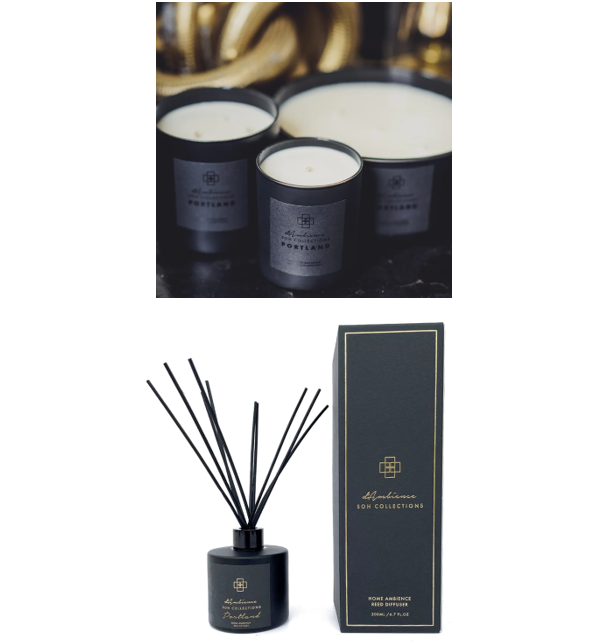
Home fragrance works best when it reflects the way a room is used. A hallway needs an inviting scent that remains present throughout the day, while a bedroom often benefits from something softer and easier to control. Kitchens, bathrooms and living rooms create different challenges because of their size, ventilation and everyday activity.
Two popular choices are reed diffusers and soy candles. Both can make a home feel welcoming, but they release fragrance in different ways. Choosing between them room by room can create a balanced atmosphere without making the interior feel overly scented.
The Hallway: Choose Continuous Fragrance
The hallway creates the first impression of a home, yet people rarely stay there for long. This makes it suitable for a low-maintenance fragrance source that works continuously.
Reed diffusers release scent gradually through porous sticks placed in fragrance oil. They do not require a flame or daily operation, so they can keep entrance areas smelling pleasant throughout the day. Fresh citrus, light floral and clean woody fragrances often work well because they feel welcoming without becoming too heavy.
Place the diffuser on a stable console or shelf away from radiators, direct sunlight and strong draughts. Turning the reeds occasionally can refresh the scent, although doing it too frequently may cause the oil to be used more quickly.
The Living Room: Add Atmosphere When It Matters
Living rooms are used for relaxing, entertaining and spending time with family, so flexibility is important. A candle can create a stronger sensory experience by combining fragrance with a warm, visible glow.
Amber, vanilla, spice and woody notes can help the room feel comfortable, particularly during colder evenings. A diffuser may still provide a subtle background fragrance during the day, while a candle can be lit when a more noticeable atmosphere is desired.
Some households use both formats at different times rather than running them together. This helps prevent competing aromas and allows the fragrance level to match the occasion. Any candle should be placed on a stable, heat-resistant surface and never left unattended.
The Bedroom: Keep the Fragrance Gentle
Bedrooms usually benefit from soft fragrance rather than constant intensity. Strong aromas can feel distracting in a space intended for rest, so the chosen product should be used with restraint.
A small diffuser with fewer reeds can provide a light background scent. Alternatively, soy candles can be enjoyed for a short period during an evening routine, provided they are extinguished before sleeping. Soft floral, linen-inspired and delicate woody fragrances often suit this setting.
Avoid placing a diffuser immediately beside the bed, as proximity may make even a mild fragrance feel overpowering. A dressing table or shelf farther from the sleeping area usually allows the scent to spread more evenly.
The Bathroom: Work With Ventilation
Bathrooms often need a fragrance option that remains present between uses. A diffuser can be practical because it continues releasing scent without needing to be lit.
Keep it away from extractor fans, open windows and direct contact with water. Clean, marine or citrus fragrances can complement the fresh atmosphere commonly preferred in bathrooms.
Candles can create a calming mood during a bath, but they should remain well away from towels, curtains and other flammable materials. They are better treated as an occasional addition rather than the main fragrance source.
The Kitchen and Dining Area: Avoid Competing Aromas
Cooking already introduces changing smells, so strong home fragrance can interfere with food preparation and dining. Light, fresh scents are usually more suitable than rich or overly sweet fragrances.
A diffuser may be positioned in an adjoining area rather than directly beside worktops, ingredients or dining surfaces. Candles are often better saved for after cooking, when a gentle citrus or herbal fragrance can help refresh the room.
In an open-plan kitchen and dining area, one consistent fragrance profile will usually feel more balanced than several unrelated scents.
The Home Office: Keep Scent in the Background
A home office needs a fragrance that supports the room without becoming distracting during long working periods. A small diffuser allows the strength to be adjusted by changing the number of reeds.
Green, citrus and light woody notes often feel clean and unobtrusive. A candle can add warmth during shorter work sessions, although it may be less practical when the user frequently leaves the desk or moves between rooms.
See also: How HIU Service London Extends Unit Lifespan
Which Option Belongs Where?
Diffusers suit areas where continuous, low-effort fragrance is useful, including hallways, bathrooms and home offices. Candles work well where warmth, visual atmosphere and occasional stronger scent are desired, particularly in living rooms and bedrooms.
Room size, ventilation, household routine and personal fragrance sensitivity should also guide the decision. A product that performs well in a compact bedroom may feel too weak in a large open-plan living space.
Conclusion
There is no single home-fragrance format that works best in every room. Diffusers provide a steady background scent, while candles create a temporary and more atmospheric experience.
Using each option according to the purpose of the room helps fragrance feel intentional rather than overpowering. With thoughtful placement, suitable scent families and careful use, both formats can contribute to a comfortable and beautifully balanced home.


