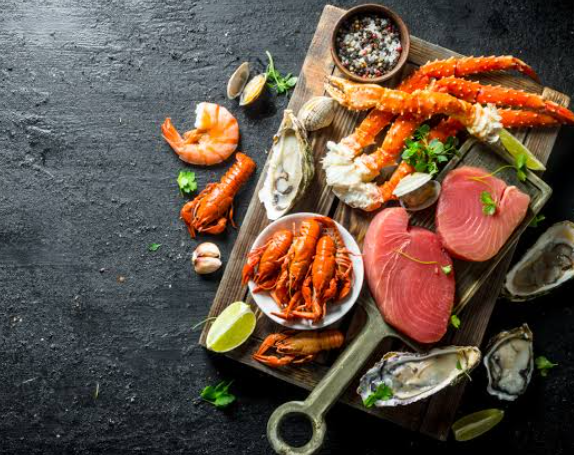
Seafood is a popular choice for home cooks, restaurants, hotels, and catering businesses because it offers variety and can be prepared in many different ways. From fish and shrimp to squid and other marine products, seafood can become part of everything from quick weekday meals to carefully prepared restaurant dishes.
For many households and food businesses, frozen products offer a practical way to keep seafood available throughout the year. Modern freezing methods can help preserve the product while making storage and meal planning more convenient. However, choosing and handling seafood correctly remains important for maintaining quality, taste, and food safety.
Understanding how seafood is selected, stored, prepared, and cooked can help consumers make better decisions and enjoy more consistent results in the kitchen.
Why Seafood Is a Versatile Food Choice
One of the biggest advantages of seafood is its variety. Different species offer different textures, flavors, sizes, and cooking characteristics. This allows cooks to choose ingredients according to the recipe they are preparing.
Fish can be grilled, baked, steamed, fried, or incorporated into soups and stews. Shrimp can be used in pasta, rice dishes, salads, curries, and stir-fries. Other seafood products can provide additional options for restaurants looking to create diverse menus.
This flexibility makes seafood suitable for both simple home cooking and professional food preparation.
Benefits of Frozen Products
Fresh seafood is not always practical for every household or business. Availability can depend on season, location, transportation, and local supply.
Frozen seafood provides a convenient alternative because it can be stored for later use. Proper freezing helps maintain the product’s characteristics while extending its usable storage period.
For busy families, frozen products can make meal planning easier. Restaurants and catering businesses can also benefit from having suitable ingredients available when required instead of relying entirely on daily fresh deliveries.
When choosing frozen seafood, buyers should still pay attention to packaging, storage conditions, product information, and the condition of the product.
What to Look for When Buying Seafood
Quality begins with careful selection. Packaging should be intact, clean, and properly sealed. Buyers should check the product information, storage instructions, and relevant dates before purchasing.
For frozen products, excessive frost or large ice formations may indicate that the product has experienced temperature fluctuations. While some surface frost can occur naturally, unusual amounts may warrant closer inspection.
The seafood should also remain properly frozen throughout storage and transportation. A reliable cold chain is important because temperature control plays a major role in maintaining food quality.
Businesses purchasing larger quantities should establish consistent receiving and storage procedures to reduce the risk of quality problems.
Understanding Different Seafood Options
Different types of seafood require different preparation methods.
Fish
Fish varieties differ significantly in texture and flavor. Some are firm and suitable for grilling, while others are more delicate and better suited to baking or steaming.
Shrimp
Shrimp are commonly used in quick-cooking dishes. They can be sautéed, grilled, fried, or added to soups and sauces.
Squid
Squid can be prepared in several ways, but cooking time is particularly important. Overcooking can affect its texture, so preparation should be carefully controlled.
Mixed Seafood
Mixed seafood selections can be useful for dishes such as pasta, rice, soups, stews, and seafood platters. They can provide several textures and flavors in a single meal.
Understanding these differences helps cooks choose the most suitable ingredient for each recipe.
Proper Storage at Home
Once purchased, seafood should be stored promptly and according to the product’s instructions.
Frozen seafood should remain in a suitable freezer until it is ready to be prepared. The freezer should maintain an appropriate temperature, and products should be organized so that older items can be used before newer purchases.
Packaging should remain sealed until the product is needed. If original packaging becomes damaged, suitable food-safe packaging can help protect the product from freezer exposure.
Organizing a freezer may seem like a small task, but it can make a noticeable difference in food management and reduce unnecessary waste.
Safe Thawing Practices
Thawing is another important part of seafood preparation. Seafood should be thawed using a safe method rather than being left at room temperature for extended periods.
A refrigerator is often a practical option because it allows gradual thawing while keeping the food at a controlled temperature. Depending on the product and preparation schedule, other safe methods may also be appropriate when recommended by food-safety guidance.
Once seafood has been thawed, it should be handled promptly and prepared according to appropriate food-safety practices.
Preparing Seafood for Cooking
Before cooking, seafood should be inspected and prepared according to the recipe. Depending on the product, preparation may involve removing shells, cleaning, trimming, or portioning.
Kitchen surfaces, knives, cutting boards, and utensils should be kept clean. Raw seafood should also be kept separate from ready-to-eat foods to reduce the possibility of cross-contamination.
For restaurants and catering businesses, clear preparation procedures can help staff maintain consistent hygiene standards.
Cooking for Better Results
Cooking seafood successfully often depends on temperature and timing. Different products require different cooking methods, so recipes should be adjusted accordingly.
Fish can become dry if exposed to excessive heat for too long, while undercooked seafood may present food-safety concerns. Shrimp can change color and texture as they cook, making visual and recipe-based cues useful.
Professional kitchens may use standardized recipes and cooking procedures to achieve consistent results. Home cooks can benefit from the same principle by following reliable recipes and paying attention to cooking times.
Planning Seafood Meals
Frozen seafood can make weekly meal planning easier because portions can be stored until needed. Families can prepare different meals throughout the week without purchasing a new seafood product every day.
For example, fish can be used for a baked dinner one day and incorporated into tacos or sandwiches on another occasion. Shrimp can become part of pasta, rice, noodles, or a fresh salad.
This flexibility can make seafood a practical addition to a balanced meal plan while reducing unnecessary food purchases.
Seafood for Restaurants and Catering
Commercial kitchens have additional considerations. Restaurants need consistent supply, predictable quality, suitable storage capacity, and efficient inventory management.
When purchasing frozen seafood, businesses should consider how much freezer space is available and how quickly products are normally used. Stock levels should be monitored to avoid both shortages and unnecessary overstocking.
Staff should also understand receiving procedures, freezer organization, thawing practices, preparation hygiene, and cooking standards.
A reliable system can help restaurants maintain consistent menu quality while managing food costs more effectively.
Reducing Food Waste
Good storage and inventory practices can help reduce seafood waste. Businesses and households should avoid purchasing more than they can reasonably use.
Clear labeling can make it easier to identify products and monitor storage periods. Organizing seafood by type and purchase date can also simplify meal planning.
Using suitable portion sizes is another effective approach. Instead of thawing more seafood than necessary, preparing the amount required for a particular meal can help reduce leftovers and waste.
Making Better Purchasing Decisions
Choosing seafood should not be based on price alone. Quality, packaging, storage conditions, product information, convenience, and intended use should all be considered.
Consumers should look for products that are appropriately packaged and stored, while businesses may also evaluate consistency of supply and suitability for their menu.
Those looking for a convenient selection of frozen seafood can compare available options according to their cooking needs, storage capacity, and preferred recipes.
See also: Component Obsolescence in Defence Cable Programmes: Protecting Supply, Compliance and Traceability
FAQs
1. How should frozen seafood be stored?
Frozen seafood should be kept in a suitable freezer and stored according to the instructions provided on its packaging. Maintaining consistent freezing conditions is important for quality.
2. What is the safest way to thaw seafood?
Thawing in a refrigerator is a practical method because it keeps the product at a controlled temperature. Other methods may also be suitable depending on the product and food-safety guidance.
3. Can frozen seafood be used for different types of recipes?
Yes. Different seafood products can be used for grilling, baking, frying, steaming, pasta, rice dishes, soups, salads, and many other recipes.
Conclusion
Seafood can be a convenient and versatile ingredient for both home kitchens and professional food businesses. Frozen options provide additional flexibility by allowing products to be stored and prepared when needed.
The best results come from selecting quality products, maintaining proper storage conditions, thawing safely, preventing cross-contamination, and using suitable cooking methods. With good planning and responsible food handling, seafood can become a reliable part of everyday meals and professional menus alike.