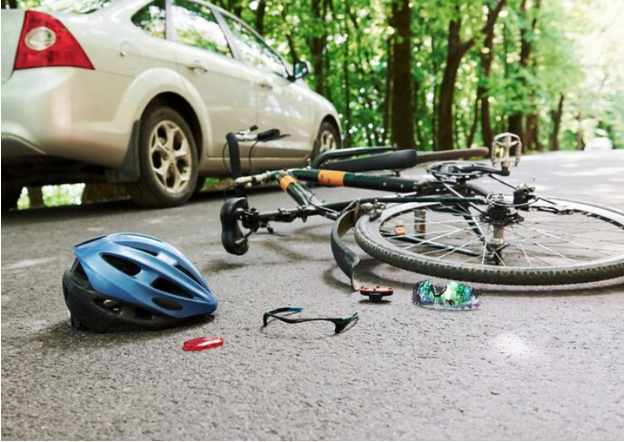
A cycling collision can happen in seconds, often at a junction, side road or narrow section of traffic where no independent person sees the impact. This may leave the cyclist worried that the claim will become one person’s word against another. Although the absence of witnesses can make a case more complicated, it does not automatically prevent a claim from succeeding.
In many Cycling Accidents, liability is established by combining several forms of evidence. Photographs, medical records, camera footage, road-layout details and physical damage can help create a clear account of what happened.
Record the Scene as Soon as Possible
Evidence should be preserved while the scene is still unchanged. Where it is safe and medically possible, photographs should show the bicycle, vehicle damage, road markings, traffic signs, nearby junctions and anything affecting visibility. Wide images help explain the layout, while close-ups can show damage, debris or skid marks. The cyclist should also note the date, approximate time, weather, lighting and direction of travel.
A written account prepared soon after the incident can be valuable. It should describe what the cyclist saw, what happened before the collision and anything said by the driver afterwards. Memories can become less precise over time, so an early record provides a useful reference.
Look for Camera Footage Quickly
Video evidence can be especially helpful where there are no witnesses. Helmet cameras, bicycle cameras, vehicle dashcams and nearby CCTV may show the movement of the cyclist and driver before impact. Local shops, petrol stations, buses, residential doorbells and public buildings may have cameras covering the area. Footage is often stored only for a limited period, so requests should be made quickly.
The cyclist should keep the original files from any personal camera rather than editing or compressing them. Copies can be created for sharing, but the source footage should remain safely stored.
Preserve the Bicycle and Equipment
The bicycle may help explain the nature and direction of the impact. Damage to wheels, forks, pedals, handlebars or the frame can support the cyclist’s account when considered alongside photographs.
Useful evidence may include:
- The bicycle and damaged components
- Helmet, clothing and footwear
- Lights, cameras and accessories
- Repair estimates and invoices
- Photographs taken before repairs
Damaged items should not be discarded before advice is obtained. If repairs are necessary, detailed photographs should be taken first.
Seek Medical Attention and Keep Records
Medical evidence is important even when the injury initially appears minor. Symptoms involving the head, neck, back or soft tissue may become clearer after the shock has passed. Medical records can show when symptoms began, what treatment was provided and how the injury affected daily life. The cyclist should retain prescriptions, appointment letters, travel receipts and evidence of private treatment.
A recovery diary may also document pain, sleep problems, mobility difficulties and missed activities. It should remain factual and consistent.
Use Digital and Indirect Evidence
A case does not always depend on one decisive item. Several smaller pieces of evidence can combine to form a persuasive account. Fitness applications or GPS devices may record route, speed and journey time. Mobile photographs may contain useful time and location data. Weather reports, road measurements and mapping images may help explain visibility or traffic conditions.
Police records can also be relevant where the incident was reported. Even if an officer did not witness the collision, the report may confirm when and where it occurred and identify the parties involved.
Document Financial and Practical Losses
Evidence should cover not only how the collision happened but also its consequences. A claimant may have lost earnings, paid for transport, replaced equipment or needed help with daily tasks. Relevant documents can include payslips, employer letters, receipts, travel costs and repair invoices. Keeping these records organised makes it easier to show the financial impact.
Ask for Legal Advice Before Evidence Disappears
Experienced injury solicitors can assess the available material and identify what else may be needed. They may help request CCTV, obtain medical reports, contact insurers and consider whether expert evidence is appropriate. Seeking advice early matters because footage may be deleted, vehicles repaired and road conditions altered. Prompt action gives the claimant a better opportunity to preserve relevant information.
Conclusion
A cycling claim without independent witnesses may require more careful preparation, but it is not automatically weak. Photographs, footage, medical records, bicycle damage, digital data and financial documents can work together to support a consistent account.
The most important steps are to preserve evidence quickly, avoid disposing of damaged items and record the effects of the injury accurately. With organised documentation and timely legal guidance, a cyclist may still present a well-supported claim even when nobody else witnessed the collision.


