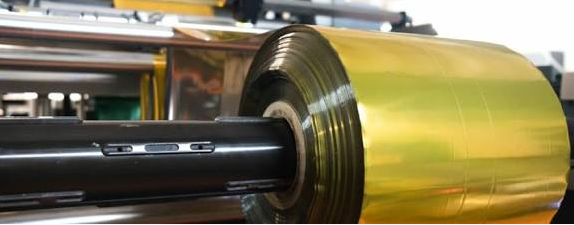
Premium packaging does more than protect a product. It shapes the first impression, communicates quality and helps customers recognise a brand before they see what is inside. One effective way to add a refined decorative element is foil blocking, a process that uses heat, pressure and a metal die to apply foil to paper, card and board.
When used correctly, the technique can create metallic, matt, gloss or coloured effects. However, the result depends on choosing suitable equipment, foil and settings for the material.
What Is Foil Blocking?
Foil blocking is a print-finishing process in which a heated die presses foil onto a substrate. Heat activates the adhesive layer on the foil, while pressure transfers the design to the surface. The process is commonly used for logos, product names, borders and decorative details. It is especially popular for luxury boxes, cosmetic packaging, presentation folders and premium labels. Unlike standard ink printing, foil can create a reflective or textured appearance. This makes it useful when a brand wants packaging to stand out.
Why Packaging Material Matters
Different packaging materials respond differently to heat and pressure. Smooth-coated card often produces a cleaner transfer than heavily textured, recycled or porous board. Laminated surfaces may require a foil developed for coated materials, while uncoated stock may need different settings. Thickness is also important. A rigid box lid, folding carton and thin label do not require the same setup. If the material is uneven or unsupported, the design may transfer poorly.
Testing should be completed on the actual production material. A foil that works well on one type of card may not bond in the same way to another, even when both surfaces look similar.
Choosing a Hot Foil Printing Machine
A suitable hot foil printing machine should match the packaging size, design area and expected production volume. Small manual presses can be practical for short runs, prototypes and personalised products. Larger pneumatic machines are often more appropriate for repeat orders and commercial production.
The printing area must accommodate the intended design. Businesses should also consider the clearance beneath the die, particularly when stamping assembled boxes or thicker packaging components.
Pressure control is another key factor. Consistent pressure helps produce uniform results, especially when applying larger foil areas or reproducing fine text and logos.
It is also worth considering whether the machine will be used for one product type or several. A flexible setup can support future work with different box sizes and materials.
Selecting the Right Foil Finish
Gold and silver remain popular, but premium packaging is not limited to good metallic effects. Matt foil can create a restrained appearance, while coloured foil may reinforce brand identity. Holographic and patterned finishes can add visual interest when used carefully.
The finish should suit the product and packaging design. Luxury cosmetics may benefit from a subtle metallic detail, while gift packaging may support a bolder effect. Too much foil can overwhelm the design, so restraint is often more effective.
Foil compatibility must also be checked. Not every grade is suitable for every substrate, coating or laminate.
The Role of the Die
The die carries the artwork and directly affects the clarity of the impression. Brass dies are often selected for durability, detailed work and longer runs, while magnesium dies can suit shorter runs and cost-sensitive projects.
The artwork should be prepared with the process in mind. Very fine lines, tiny text and closely spaced details may not reproduce clearly. Simplifying the design can improve consistency and reduce blurred edges.
See also: How to Build a Brand-Voice Framework Before Starting AI Blog Writing
How to Achieve Consistent Results
Reliable foil blocking depends on balancing temperature, pressure and dwell time. Too little heat can lead to poor adhesion, while excessive heat may distort the substrate or create untidy edges. Too much pressure can crush a delicate board, while too little may leave gaps.
Operators should adjust one variable at a time and record successful settings. Accurate positioning guides, clean dies and stable material support also improve repeatability. Regular maintenance of heating and pressure systems helps prevent variation.
Conclusion
Foil blocking can transform ordinary packaging into a more premium and memorable presentation. The strongest results come from matching the foil, die, substrate and machine rather than relying on one standard setting.
When choosing a hot foil printing machine, businesses should consider printing area, material thickness, production volume and pressure control. Careful testing and well-prepared artwork will help create sharp, consistent finishes that strengthen the final product.


