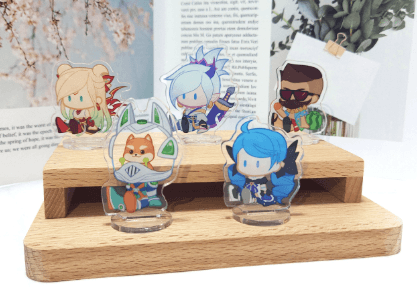
Acrylic standees have become one of the most popular modern display solutions for artists, brands, and collectors. Their glossy finish, durability, and vibrant print quality make them ideal for everything from anime merchandise to corporate branding. If you’re planning to create a professional acrylic standee, understanding the printing process is essential. From file preparation to final production, every step influences the quality of the final product.
This complete guide explains how acrylic standee printing works, what materials are used, and how to achieve the best results for both personal and commercial use.
What Is Acrylic Standee Printing?
Acrylic standee printing is the process of transferring digital artwork onto clear or colored acrylic sheets using advanced printing technology. The printed design is then cut into custom shapes and mounted on a base stand for display.
The result is a high-quality, durable product that showcases artwork in a glossy, glass-like finish. Unlike paper or cardboard prints, acrylic standee are resistant to bending, fading, and moisture, making them ideal for long-term display.
Choosing the Right Acrylic Material
The first step in printing a high-quality standee is selecting the right acrylic sheet. Not all acrylic is the same, and material quality directly affects the final appearance.
Common options include:
- Clear acrylic: Offers a transparent, glass-like effect
- Frosted acrylic: Provides a soft, matte finish for subtle designs
- Colored acrylic: Enhances themed or branded visuals
- Glitter or holographic acrylic: Adds decorative effects for premium merchandise
Clear acrylic is the most widely used because it enhances print vibrancy while maintaining a clean, modern look.
Preparing the Design File
A successful print starts with a properly prepared design file. High-resolution artwork is essential because acrylic printing highlights every detail.
Design requirements typically include:
- High resolution (300 DPI or higher)
- Transparent background (PNG format preferred)
- CMYK color mode for accurate printing
- Clean edges for precise die-cutting
If your design includes characters or logos, make sure the outlines are smooth and well-defined. Any low-quality or pixelated image will become more noticeable on acrylic surfaces.
Understanding the Printing Process
Modern acrylic standee printing uses UV printing technology. This method applies ink directly onto the acrylic surface and cures it instantly using ultraviolet light.
This process has several advantages:
- Produces sharp and vibrant colors
- Ensures long-lasting durability
- Allows printing on transparent surfaces
- Supports fine detailing and gradients
UV printing is one of the reasons why acrylic standees look so premium compared to traditional printed materials.
Cutting and Shaping the Standee
After printing, the acrylic sheet is cut into the desired shape. This step is known as die-cutting or laser cutting.
The design can be cut in several ways:
- Character silhouette cut
- Logo-based shapes
- Custom artistic outlines
- Rectangular or square display formats
Precision is extremely important here. Clean edges ensure that the final acrylic standee looks professional and matches the original design perfectly.
Adding the Base Stand
Every acrylic standee requires a base to stand upright. The base is usually made from acrylic as well, ensuring consistency in appearance and durability.
Base designs can be:
- Simple slot bases for easy assembly
- Printed branded bases with logos or text
- Colored or themed bases matching the artwork
The base not only supports the standee but also adds to its overall visual appeal.
Layered Printing for 3D Effects
One of the most advanced techniques in acrylic standee printing is layered design. Instead of printing everything on a single sheet, multiple layers of acrylic are stacked to create depth.
For example:
- Foreground character on the front layer
- Background scenery on a second layer
- Effects or text on a third layer
This technique creates a 3D illusion that makes the standee more dynamic and visually engaging.
Quality Control and Finishing
Before packaging, each standee goes through quality inspection. This ensures:
- Colors are accurate
- Cuts are precise
- No scratches or printing defects exist
A protective film is often applied during production and removed before final use. This helps maintain surface quality during shipping and handling.
See also: How HIU Service London Extends Unit Lifespan
Benefits of Acrylic Standee Printing
Acrylic standees offer several advantages that make them popular across industries:
- Durability: Resistant to wear and tear
- Premium appearance: Glossy and professional finish
- Customization: Endless design possibilities
- Lightweight: Easy to transport and display
- Reusable: Long-lasting for multiple uses
These benefits make them suitable for both personal collectors and business marketing campaigns.
Common Uses of Acrylic Standees
Acrylic standees are used in a wide variety of applications:
- Anime and gaming merchandise
- Corporate branding and promotions
- Retail product displays
- Event and exhibition booths
- Personalized gifts and collectibles
Their versatility allows them to fit into almost any creative or commercial setting.
Final Thoughts
Acrylic standee printing combines creativity, technology, and craftsmanship to produce visually stunning display pieces. From selecting the right material to preparing high-quality artwork and using UV printing, every step contributes to the final result.
A well-made acrylic standee is more than just a printed object—it is a professional display tool, a collectible item, and a branding asset all in one.
Whether you are an artist, business owner, or collector, understanding the printing process helps you create standees that are not only beautiful but also long-lasting and impactful.