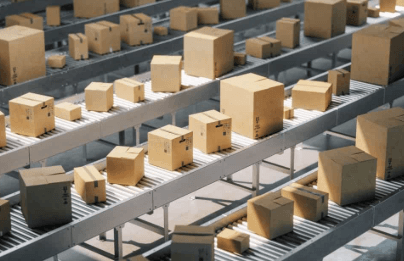
Automation spending in packaging plants is ramping up at a speed that would have been hard to imagine just a few years back. What used to be exclusively available to the largest multinational manufacturers—Unilevers, Nestlés and Pfizers of this world—is now a practical reality for mid-sized and regional producers in just about every consumer goods category. Declining costs of hardware, mature software platforms, and a more challenging labor market have made the economics of automation attractive at production volume levels that had not been able to support the investment before. The demand isn’t slowing down. If anything, the forces behind it are growing stronger.
Why Packaging Facilities Are Evolving
The 2026 packaging plant runs in a completely different environment than it did 10 years ago. Customers expectations have increased on every channel. E-commerce processing demands packaging that can withstand an arduous logistics trip. Retail compliance programs require precise carton size, labels correctness and even shelf presence backed by financial penalties for non-compliance. Direct-to-consumer brands compete partly based on the unboxing experience — which makes packaging quality a first-line marketing rather than a back-end cost.
Meanwhile, the labor market forces that made manual packaging feasible are no longer in place. Labor has grown scarcer in manufacturing areas. Labor inflation has eaten into the margins of labor-intensive businesses. Recruitment, training, and retention costs for such workers have grown to constitute a significant operational overhead, sapping resources that could otherwise be employed towards higher-value pursuits.
Together, these forces have combined to generate a straightforward directional signal: if they want to remain competitive, companies must evolve their packaging operations—and automation is the main way they will do that.
The Role of Automation
Automated packaging systems eliminate the root causes of error-prone manual processes by superseding people with deterministic, mechanical processes that can be controlled and programmed. Today’s Cartoning Machine performs the entire line of cartoning operation — erect carton from blank and insert product and literature, close flap and apply seal with no change in output or quality as the fatigue or staffing gap comes in.
The issue of integration is just as important. Modern equipment is built to interface with other systems — to talk with filling lines, labeling stations, and warehouse management systems (WMS) on both the front and back ends, helping form production lines that lessen touch points, pare down buffering needs, and increase visibility throughout.
Automation addresses an industry’s need for documentation and process control, which are being more and more mandated by some compliance regulations in regulated markets. Automated packaging systems enable pharmaceutical and medical device manufacturers in particular to meet quality management needs that cannot be structurally met through manual methods.
Cost and Productivity Benefits
The business benefits of packaging automation are proven and becoming easier to predict. Reduction of direct labor costs is the most tangible benefit but the full story involves less wasted material, reduced rework, fewer compliance-related chargebacks, and less unplanned downtime — all of which substantially impact the bottom line.
Gains in productivity are not limited to the packaging station alone. The whole plant is more predictable when automated processes remove the throughput variability that leads to production stalls and planning interruptions. Upstream equipment utilization is improved. The management of inventories is more reliable. The hidden costs of an unpredictable manual packing line — expediting, overtime, emergency rework — all just vanish.
Modern machinery has also led to much better format flexibility so that some plants can now run multiple product configurations in the same line with short changeover times – a feature that brings automation into reach for manufacturers with a wide array of SKUs.
Future Industry Developments
Next generation packaging machinery automation is mechanical capability with intelligence. 2026: Artificial intelligence applications are established in a few leading plants, used for predictive maintenance, real-time quality optimization and production scheduling – functions anticipated only a few years earlier in packaging plants.
Sustainability demands are changing the equipment specifications in tandem. The new Cartoning Machine solutions that are rolling out define the new era of lightweight board grade run ners, recycled content and a minimised packaging option – which are becoming standards as a result of new extended producer responsibility legislations being introduced in European and North American territories, and as part of the sustainable commitments that leading consumer brands are demanding from the suppliers they do business with.
Another expansion in collaborative robotics integration is cobot-assisted loading and palletizing, which is infiltrating a process that used to involve human artistry – bringing automation to more and more packaging activities that used to depend on human hands and eyes, ultimately eliminating human labor in packaging, even if the work consists of temporary repetitive tasks.
See also: The Importance of Financial Planning in Business
Conclusion
Increasing need for automated packaging plantside is a sensible reaction to growing market, labor, and compliance pressures with no indication of abatement. Today, those plants that are proactively investing in smart automated systems are creating operational models that will sustain their competitiveness through the next decade — and those that are postponing the conversion are falling behind performance gap that will continue to expand and will be more and more difficult to close.


