Large and open-plan rooms can feel impressive, but they are not always easy to fragrance evenly. A scent that is noticeable beside the diffuser may fade before reaching the dining area, hallway or far side of the living room. High ceilings, changing airflow and connected zones all influence how fragrance moves.
Choosing the right electric fragrance diffuser therefore involves more than matching a device to the décor. The unit should suit the room’s volume, daily use and preferred scent intensity while remaining practical to operate and maintain.
Begin With the Size and Shape of the Space
Start by looking at the complete room rather than one section. Measure the length, width and ceiling height, because room volume is more useful than floor area alone. Two rooms with the same footprint may need different output levels when one has a much higher ceiling.
The shape of the interior matters too. Long rooms, L-shaped layouts and spaces divided by large furniture can interrupt fragrance distribution. In these settings, placement becomes as important as the diffuser’s output.
Pay Attention to Airflow
Fragrance travels with moving air. Open windows, extractor fans, air-conditioning vents and frequently used doors can carry scent away from the area where it is needed.
Place the diffuser where gentle circulation can move the fragrance through the room. Avoid strong draughts, kitchen extractors and enclosed corners. Testing the unit in several positions can reveal where the scent spreads most naturally.
Choose Adjustable Scenting Controls
Large spaces rarely need the same fragrance intensity throughout the day. A quiet morning may require only a light background scent, while an evening gathering may suit a stronger setting.
Choose a unit with adjustable intensity, timing or interval controls. Begin at a low level and increase it gradually. This helps prevent over-scenting and makes the room comfortable for visitors as well as regular occupants. Scheduling can also reduce unnecessary use when the space is empty.
Select a Fragrance for Every Connected Zone
Open-plan interiors often combine a kitchen, dining area, lounge and workspace. The fragrance must therefore suit several activities rather than one room alone.
Fresh citrus, green and soft woody notes can work well in multifunctional spaces because they feel clean without becoming too heavy. Warmer amber, spice or deeper woods may create a more intimate evening atmosphere.
Testing a fragrance before purchasing a larger refill is sensible. A scent that seems appealing at first may feel much stronger after several hours in a connected room.
Balance Appearance With Practicality
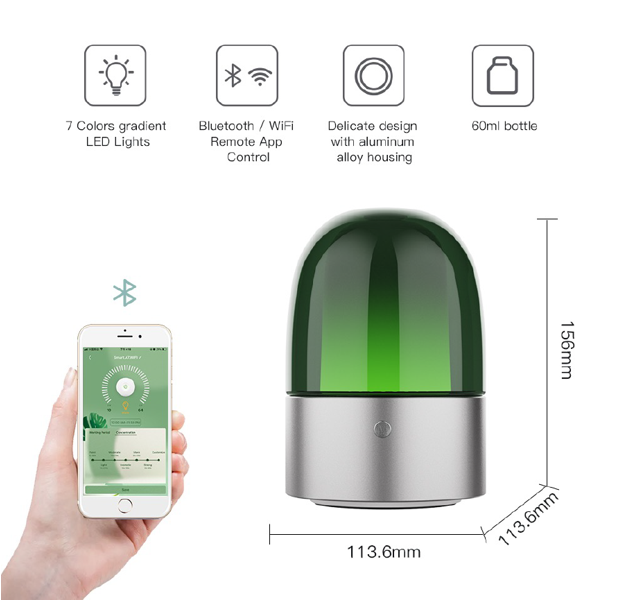
A luxury scent diffuser may become part of the interior, especially when displayed on a console, shelf or side table. Its shape, finish and size should complement the surrounding furniture.
Appearance should not be the only deciding factor. The unit must also be easy to refill, clean and control. Check whether it needs a nearby socket, whether the fragrance outlet will remain clear and whether the settings are convenient for everyday use.
Check the Refill System
Different scenting systems may require specific fragrance oils or refill formats. Always follow the manufacturer’s guidance before using another product, as an unsuitable liquid may affect performance or maintenance.
Consider how often the diffuser will run and how straightforward the refill process is. A unit used throughout the day will need more frequent attention than one reserved for evenings or special occasions. Keeping the outlet clear and following the recommended cleaning routine can support consistent operation.
See also: Debossing or Hot Foil? A Practical Guide to Choosing the Right Premium Finish
Avoid Choosing by Power Alone
The most powerful diffuser is not automatically the best option. Excessive output can overwhelm a room, while a unit that is too small may struggle to create a balanced atmosphere.
Consider room volume, airflow, control settings and fragrance strength together. For unusually long or divided interiors, more than one scenting point may be worth considering, provided this follows the manufacturer’s instructions and does not make the overall fragrance too intense.
Conclusion
Choosing a diffuser for a large or open-plan room requires a practical understanding of the space. Volume, airflow, placement, controls and refill compatibility all influence the result.
The right scenting system should make the interior feel welcoming without dominating it. By starting with lower settings, testing placement and selecting a fragrance that suits every connected zone, homeowners can create a more consistent and refined atmosphere throughout the day.


