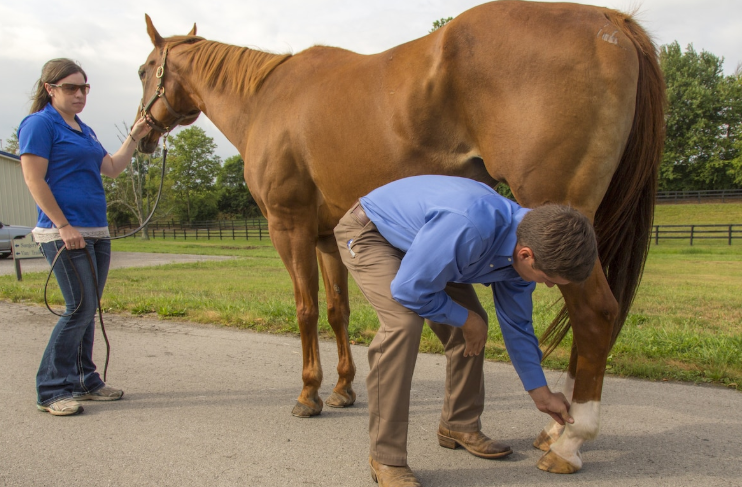
Racehorses are susceptible to various injuries, including tendon strains, fractures, and joint issues. These conditions often arise from the intense physical demands of training and inadequate warm-up procedures. Understanding the causes and risk factors is crucial for effective treatment. Rehabilitation strategies, alongside preventive measures, play a vital role in recovery. However, the complexity of these injuries necessitates a closer examination of both their origins and the most effective therapeutic approaches.
Common Injuries in Racehorses
Although racehorses are bred for speed and endurance, their athleticism often comes at the cost of various injuries.
Common injuries include tendon strains, fractures, and joint issues, which necessitate thorough lameness assessment for accurate diagnosis.
Effective injury prevention strategies, such as proper training regimens and regular veterinary evaluations, are essential to maintain the horses’ health and performance, ensuring their well-being in competitive environments.
Causes and Risk Factors
Understanding the causes and risk factors associated with racehorse injuries is crucial for effective management and prevention strategies.
Key contributing factors include training intensity, track conditions, and genetic predispositions. Additionally, improper shoeing and inadequate warm-up routines can elevate injury risks.
Implementing preventative measures, such as regular veterinary assessments and tailored training regimens, can significantly reduce the likelihood of injuries in racehorses.
Treatment and Recovery Options
Effective treatment and recovery options for racehorse injuries are essential for restoring equine athletes to optimal performance.
Rehabilitation techniques, such as physical therapy and hydrotherapy, significantly enhance recovery.
Additionally, pain management strategies, including anti-inflammatory medications and alternative therapies, alleviate discomfort and promote healing.
Implementing a comprehensive plan ensures that injured racehorses can return to their competitive edge efficiently and safely.
Conclusion
In conclusion, understanding common racehorse injuries, their causes, and effective treatment options is crucial for maintaining the health and performance of these athletes. By implementing preventive measures, such as thorough warm-up routines and regular veterinary evaluations, the risk of injuries can be significantly reduced. Moreover, personalized rehabilitation plans, incorporating physical therapy and hydrotherapy, facilitate optimal recovery. This comprehensive approach ensures that racehorses can safely return to competition, highlighting the importance of proactive management in equine care.