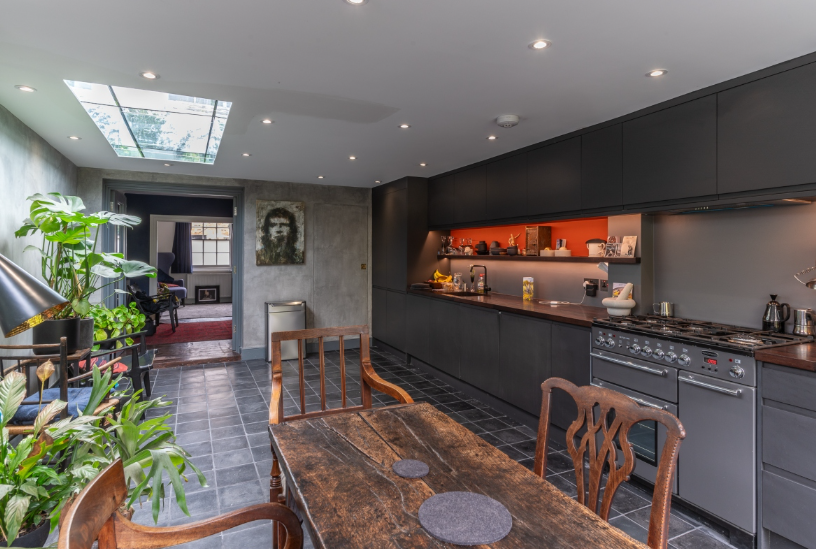
Every home transformation begins the same way: with an idea. Sometimes it is a precise and detailed vision, sketched out over months of saved references. Sometimes it is a feeling rather than a blueprint, a sense that the current home no longer fits the life being lived in it, and a conviction that something better is possible. The gap between that initial idea and the finished home is where the expertise of a truly skilled design and build team proves its worth. Choosing the right design and build company London homeowners can rely on is one of the most important decisions a homeowner will make, and London Design and Build has spent years developing the capability, the culture, and the craft to make that journey exceptional from first conversation to final handover.
The Art of Translating Vision Into Space
The most important skill a design and build professional brings to a residential project is not technical but interpretive. Clients rarely arrive with a fully resolved brief. They arrive with aspirations, a sense of how they want to feel in their home, practical needs that have gone unmet for too long, and aesthetic instincts that may not yet have been clearly articulated even to themselves.
The professionals who are genuinely good at this work know how to listen beyond the stated brief. They ask questions that surface the real priorities behind expressed preferences. They can hear “I want more light” and understand whether that means a glazed extension to the rear, a rooflight above the staircase, or a reconfigured ground floor that removes a wall blocking light from the front. They translate the emotional language of home into the spatial and material decisions that will actually deliver the experience the client is describing.
This interpretive skill separates the best design and build firms from those who are simply capable builders with an in-house draughtsperson. It requires genuine design education, a broad knowledge of what is possible, and the kind of empathy that allows a professional to see a space through the eyes of the person who will live in it.
From Sketch to Planning: The Design Journey
Once the brief has been established, the design process begins in earnest. For most residential projects in London, this involves several distinct stages, each building on the one before.
Concept design is where spatial ideas are first explored. The design team works with massing, proportion, and the relationship between spaces to develop an approach that responds to both the brief and the specific conditions of the site. In London, those conditions are almost always complex: party walls, overlooking concerns, Conservation Area guidelines, and the character of the surrounding streetscape all shape what is possible and what the local planning authority will welcome.
Planning drawings translate the agreed concept into a form that can be submitted for consent. The best design and build firms have strong relationships with planning consultants and deep familiarity with the policies governing development in the boroughs where they operate. This knowledge improves the quality of planning submissions and the likelihood of consent being granted first time, avoiding the delays and costs that come with refused applications.
Technical design then develops the approved scheme into detailed drawings and specifications that define exactly what will be built and how. At this stage, structural engineers and specialist subcontractors begin contributing, and the cost plan is tested and refined against emerging technical solutions.
The Build: Where Ideas Become Tangible
The construction phase is where months of design work are put to the test. A well-managed build feels, from the client’s perspective, almost calm. Progress is regular and visible. Communication is proactive rather than reactive. Unexpected conditions are resolved quickly because the team has the experience to interpret what they are looking at and the authority to make decisions without waiting for external instruction.
This sense of calm is the product of meticulous pre-construction planning: programmes stress-tested against realistic assumptions, procurement strategies that have secured the right subcontractors and materials well in advance, and risk planning that has anticipated likely problems and prepared responses for them.
The quality of the finished work reflects all of this preparation. When a joiner briefed correctly from the outset fits bespoke cabinetry, the result is visibly different from work carried out by a subcontractor who received instructions on the morning of installation. The details that distinguish a truly excellent renovation from a merely competent one are the product of a long chain of careful decisions, each building on the one before.
See also: Best Educational Games for Toddlers in 2026
Living in the Result
The measure of a great design and build project is not how it looks in photographs taken immediately after completion. It is how it feels to live in six months later, a year later, five years later. The best residential projects wear their quality lightly. The spaces feel natural and intuitive. The details that required the most thought during design become invisible because they work so well.
This is the standard that London Design and Build holds itself to on every project. The firm’s definition of success is not a completed building but a client who has found, in the home created for them, exactly the life they were imagining when they first arrived with their idea and their trust. For homeowners in London ready to turn their ideas into the home they have always wanted, London Design and Build offers the design intelligence, the construction expertise, and the human understanding to make that transformation real.


